Queer Places:
King Edward's School, Edgbaston Park Rd, Edgbaston, Birmingham B15 2UA, United Kingdom
University of Cambridge, 4 Mill Ln, Cambridge CB2 1RZ
Durham Cathedral, Durham DH1 3EH, United Kingdom
Auckland Castle, Market Pl, Bishop Auckland DL14 7NR, United Kingdom
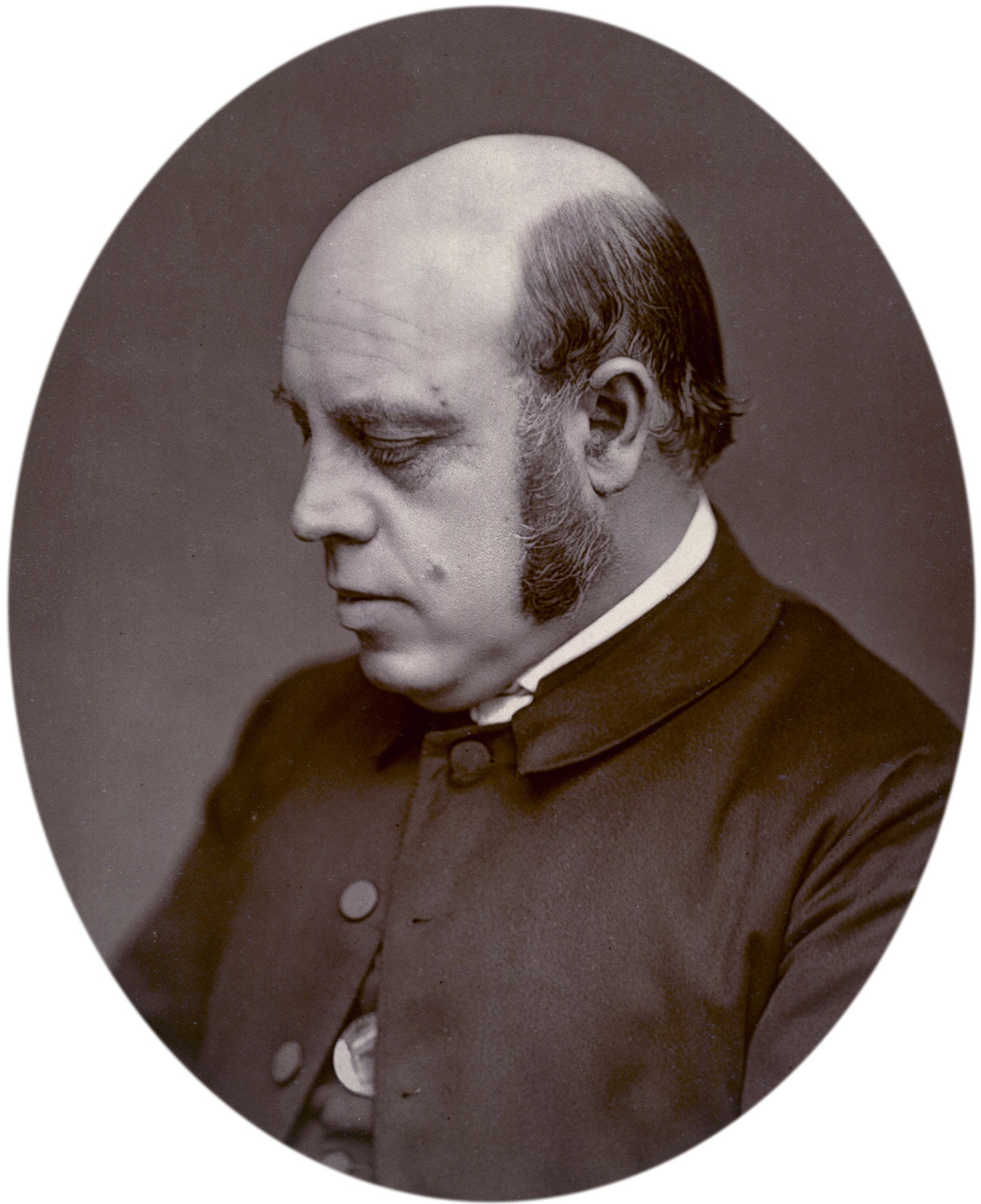 Joseph Barber Lightfoot (April 13, 1828 – December 21, 1889) was one of the premier biblical scholars and ecclesiastical leaders of 19th-century Britain. His legacy spans
groundbreaking textual criticism of early Christian literature as well as the history of Victorian gender norms, ecclesiastical bachelorhood, and intense male
friendships.
Joseph Barber Lightfoot (April 13, 1828 – December 21, 1889) was one of the premier biblical scholars and ecclesiastical leaders of 19th-century Britain. His legacy spans
groundbreaking textual criticism of early Christian literature as well as the history of Victorian gender norms, ecclesiastical bachelorhood, and intense male
friendships.
Lightfoot's intellectual foundation was laid at King Edward's School, Birmingham, under the headmastership of
James Prince Lee (later Bishop of Manchester). Lee cultivated an atmosphere of rigorous classical scholarship, minute linguistic
precision, and deep piety.
At school and later at Trinity College, Cambridge, Lightfoot formed lifelong bonds with Edward White Benson (future
Archbishop of Canterbury) and Brooke Foss Westcott. Together with
Fenton John Anthony Hort, Lightfoot, Westcott, and Hort formed what became known as the "Cambridge Trio" (or "Cambridge
Triumvirate").
The Trio revolutionized 19th-century New Testament scholarship by shifting British theology away from uncritical traditionalism toward rigorous historical-critical and
philological analysis—most notably defending the authenticity of the Ignatian Epistles and early Christian manuscripts.
Lightfoot held the Lady Margaret's Professor of Divinity (1875–1879) prestigious chair at Cambridge, where his lectures on the Pauline Epistles and Apostolic Fathers drew
massive student audiences.
Appointed Bishop of Durham (1879–1889), one of the Church of England's most influential sees, Lightfoot relocated to Auckland Castle.
As Bishop, Lightfoot created an informal seminary at Auckland Castle, inviting select young male graduates from Cambridge and Oxford ("Auckland men") to live, study, and
prepare for ordination under his direct supervision. He paid for their maintenance out of his own funds. This close-knit residential group functioned as a spiritual family,
where Lightfoot acted as a revered father figure, mentor, and affectionate leader.
Historians and queer theory scholars frequently examine Lightfoot's life as a prime case study in the culture of 19th-century homosociality and male friendship:
Social bonds between persons of the same sex. In Victorian Britain, elite academic and clerical life operated as almost entirely male-only institutions.
Lightfoot never married. Like many Oxford and Cambridge fellows of his generation—where university statutes historically required celibacy for fellowship retention—his
entire adult existence was centered inside male academic colleges and clerical households.
19th-century culture permitted and encouraged intense, emotionally exclusive, and spiritually romantic attachments between men that existed prior to modern sexual
identity classifications (such as gay, bisexual, or queer). Lightfoot's correspondence with Benson, Westcott, and his Auckland students reveals profound tenderness and
emotional centrality.
Scholars analyzing figures like Lightfoot avoid applying late-20th-century labels retroactively, recognizing instead that Victorian masculine intimacy allowed deep
emotional and spiritual devotion between men within accepted social and religious boundaries.
References:
Other references:
- Westcott, Brooke Foss. Bishop Lightfoot (London: Macmillan & Co., 1894)
- Eden, George Rodney, and F. C. Macdonald (eds.). Lightfoot of Durham: Memories and Appreciations (Cambridge: Cambridge University Press, 1932)
- Benson, Arthur Christopher. The Life of Edward White Benson, Sometime Archbishop of Canterbury (London: Macmillan & Co., 1899)
- Treloar, Geoffrey R. Lightfoot the Historian: The Nature and Role of History in the Life and Thought of J.B. Lightfoot (1828–1889) as Churchman and Scholar (Tübingen: Mohr Siebeck, 1998)
- Dunn, J. D. G. (ed.). The Lightfoot Centenary Lectures (Durham University Journal, Special Issue, January 1992)
- Barrett, C. K. "Lightfoot, Joseph Barber (1828–1889)." Oxford Dictionary of National Biography (Oxford University Press, 2004)
- Deslandes, Paul R. Oxbridge Men: British Masculinity and the Student Experience, 1850–1920 (Bloomington: Indiana University Press, 2005)
Support this project
This website is a passion project researched, developed, and funded entirely by me. If you find the content valuable and would like to help support the ongoing research and hosting costs, any contribution is deeply appreciated.
Thank you for keeping this independent resource alive!
My books on Amazon: Elisa Rolle's books
BACK TO HOME PAGE

